
 English (United Kingdom)
  Italiano (Italia)
Indice
- CATIS High Cistern Leaking: Where to Start
- Materials and Equipment You'll Need
- Difficulty Level, Time and Cost
- Inside a CATIS High Cistern: the Two Components That Can Fail
- How to Identify the Cause of the Leak
- Replacing the Float Valve (Ballcock)
- Overhauling the Flush Siphon: Replacing the Flush Washer
- Replacing the CATIS Flush Siphon: What You Need to Know Before You Start
- Undoing the Chrome Retaining Nuts: How to Detach the Siphon from the Outlet Pipe
- Disconnecting the Flush Button Tube: a Delicate Step You Can't Skip
- Conclusions and Acknowledgements
CATIS High Cistern Leaking: Where to Start
Is your CATIS high cistern constantly dripping water into the toilet bowl, or making a loud foghorn-like noise every time it refills? Don't panic — you won't need to call a plumber. These are two of the most common faults on this type of external porcelain cistern, and in most cases you can sort them out yourself with a few basic tools and a bit of patience.
In this guide I'll show you how to work out which of the two internal components is causing the problem — the float valve or the flush siphon — and how to go about repairing or replacing it, step by step and with photos throughout.
Materials and Equipment You'll Need
You won't need any specialist materials for this repair — it all depends on which component turns out to be faulty. Here's a full rundown of everything you might need:
Materials (depending on the fault):
- Flush siphon washer/seal, if the problem is a slow leak — inexpensive and easy to find at any plumbing or hardware shop
- Replacement float valve, if the water level is sitting above the siphon bend — make sure you check the model before buying
- Complete replacement flush siphon, in the worst case where replacing the washer isn't enough — make sure you buy a model compatible with your CATIS cistern
- Fine wet-and-dry sandpaper (1000-1200 grit), for cleaning the washer seat before fitting the new one
- Rags or kitchen roll, for drying out the inside of the cistern before you start work
- PTFE tape or hemp fibre and jointing compound, for sealing the threaded fittings when reassembling
Equipment:
- Adjustable spanner or pipe wrench, essential for undoing the chrome retaining nuts beneath the siphon
- Pliers (needle-nose and flat-nose), for handling nuts and fittings in tight spaces
- Open-ended spanners in various sizes, for undoing the fixing nuts on the float valve and the water inlet pipe
- A bowl and rags, to place under the cistern before dismantling the siphon to catch any residual water
Difficulty Level, Time and Cost
| Difficulty | Intermediate |
| Estimated time | 30 minutes – 1 hour |
| Materials cost | £5 – 30 |
This repair requires a basic familiarity with tools and simple plumbing work, but it's well within reach of anyone who's done a bit of DIY around the house. The trickiest part is the full siphon replacement, which calls for care when dismantling and reassembling the washers in the correct order and position.
The time estimate refers to the most demanding scenario — a complete siphon replacement. If the problem turns out to be just the flush washer, half an hour is more than enough.
The cost varies considerably depending on what needs replacing: just a few pounds for the washer alone, a bit more for the float valve, and up to £25–30 for a brand new complete flush siphon. Before buying any parts, I'd strongly recommend identifying the exact cause of the leak first by following the method described in the "How to Identify the Cause of the Leak" section — it could save you spending money on parts you don't actually need.
Inside a CATIS High Cistern: the Two Components That Can Fail
Before tracking down the fault, it's worth getting to know the two main components inside the cistern. If you climb up and look down into the tank from above, you'll clearly see two separate mechanisms (as shown in the photo):
1) The float valve — also known simply as the "ballcock" — is the component responsible for refilling the cistern. As the water rises to the correct level, the float lifts and automatically shuts off the water supply.
2) The flush siphon — also called the "discharge siphon" and commonly known as CATIS after the Italian manufacturer (www.catis.it) — is the mechanism that opens when you press the flush button, releasing the water down into the toilet bowl.

How to Identify the Cause of the Leak
Both components described above can wear out over time and start leaking, and in both cases the symptom is the same: you can hear a constant trickling sound and see a thin stream of water running down into the toilet bowl. There are two practical ways to work out which one is to blame.
The first method is visual: check the water level inside the cistern against the bend of the flush siphon, as shown in the diagram. If the water is sitting above the bend (case A), the float valve is the culprit. If the level is below the bend (case B), the fault lies with the flush siphon.
The second method is even more reliable: turn off the water inlet stopcock and wait until the water stops trickling into the toilet bowl. Then check the water level inside the cistern, if it's still full, the float valve is at fault; if it has drained away and only a small amount of water remains at the bottom, the problem is with the flush siphon.

Replacing the Float Valve (Ballcock)
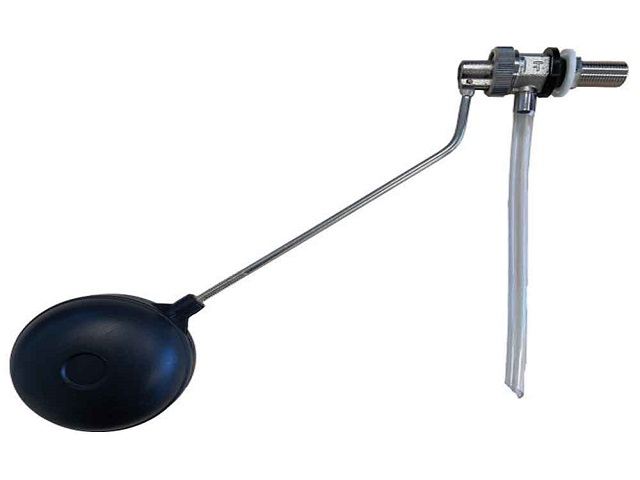
The float valve can be overhauled by replacing its internal washer, but given how cheap the part is, it's generally easier to replace the whole thing. It needs replacing not only when it's causing water to leak into the toilet bowl, but also when the cistern starts making that irritating foghorn-like noise during refilling.
Replacement is straightforward: undo the nut connecting the valve to the water inlet pipe on the outside of the cistern, then undo the nut securing it to the cistern itself and remove the old part. Fitting the new one is simply a matter of reversing the process.
There are, however, two important details you shouldn't overlook:
1) The small rubber tube beneath the valve. When you buy the replacement part, this tube is usually already threaded onto the float arm. Before fitting the new valve, you'll need to unscrew the float ball from the arm, slide the tube off and fit it onto the designated nozzle underneath the valve body, then screw the float ball back onto the arm. If you skip this step, water will spray out of the nozzle under pressure and splash out of the cistern every time you flush.
2) The water level after fitting. Once the new valve is installed, let the cistern fill up and check the water level — you can use the limescale tide mark on the inside wall as a reference. If the level is too low, bend the float arm upwards; if it's too high, bend it downwards.
Overhauling the Flush Siphon: Replacing the Flush Washer
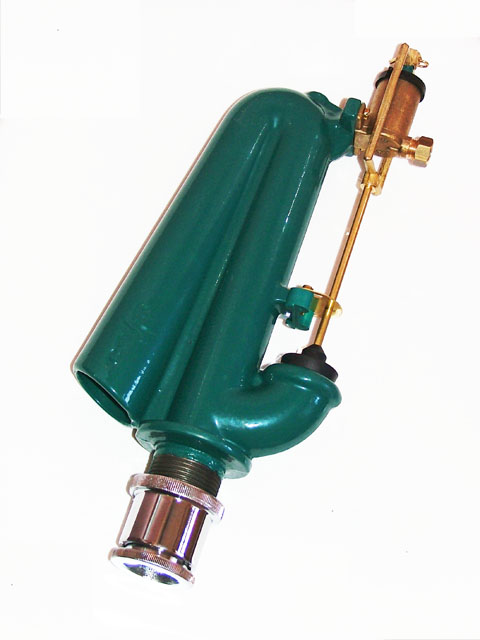
The flush siphon is made of cast iron — an extremely durable material — so a complete failure is fairly unusual. Before considering a full replacement, it's always worth checking the flush washer at the bottom of the unit: the one that lifts when you press the flush button to release the water.
This washer is made of soft rubber and tends to dry out and crack over time, allowing water to trickle through continuously. Given how cheap the part is — just a couple of pounds — it always makes sense to try replacing the washer first before committing to a more involved repair.
Replacement couldn't be simpler: the washer unscrews directly from the spindle it sits on, with no need to dismantle anything else. Before fitting the new one, though, I'd recommend giving the washer seat a light rub with a piece of fine wet-and-dry sandpaper (1000 or 1200 grit): this removes any limescale deposits or debris that could prevent a proper seal and undo all your hard work.

Replacing the CATIS Flush Siphon: What You Need to Know Before You Start
Replacing the flush siphon is a slightly more involved and costly job than simply swapping out the washer, but it's by no means beyond the average DIYer — with a bit of patience, anyone with a basic grasp of tools can get it done.
Before dismantling anything, you'll need to drain the cistern completely: turn off the water inlet stopcock and press the flush button to empty the tank. Once the cistern is empty, you're ready to start.
Undoing the Chrome Retaining Nuts: How to Detach the Siphon from the Outlet Pipe
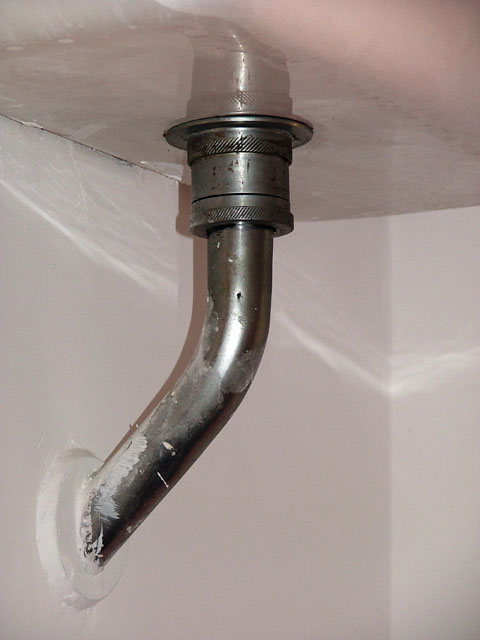
The two chrome retaining nuts beneath the siphon need to be undone in sequence: start with the lower nut, which clamps a conical rubber washer against the outlet pipe below the cistern — undoing it releases the siphon from the pipe — then move on to the larger upper nut, which frees the unit completely.
As you dismantle the siphon, pay close attention to how the old washers are positioned: take a photo before removing them, so you can fit the new ones back in exactly the same order and orientation.
Disconnecting the Flush Button Tube: a Delicate Step You Can't Skip
Before pulling the siphon free from the cistern, carefully loosen the retaining nut that secures the flush button tube at the top of the mechanism, then ease the tube out gently — it's made of copper or brass and could snap if forced.
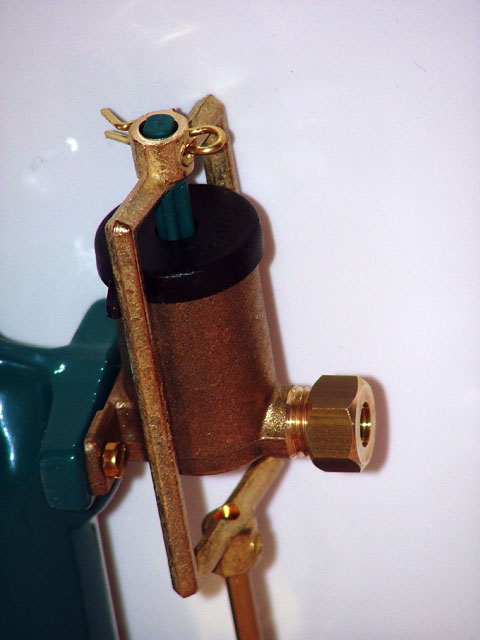
Once the old siphon is out, fitting the new one is simply a matter of reversing all the steps in order.
Conclusions and Acknowledgements
And there we have it, whether you've replaced just the flush washer, the float valve, or the entire siphon unit, your CATIS high cistern should now be working perfectly again with no more leaks. As you've seen, these are all repairs that anyone can tackle with a bit of patience and the right tools, no plumber required.
If you'd like to understand how a CATIS high cistern works before getting stuck in, or simply want to get a better grasp of the internal mechanism, this article is well worth a read: How an External Cistern Toilet Flush System Works (by Capitan Farloc)
If your problem isn't a leak but a flush button that sticks, stays pressed down, or doesn't trigger the flush at all, I've published a dedicated guide for that too: How to Fix a CATIS High Cistern Flush Button That's Stuck or Won't Flush (by Capitan Farloc)
If you've found this guide useful and would like to explore more DIY plumbing repairs around the home, feel free to browse the other articles in the Plumbing section of the site, where you'll find plenty more practical guides and step-by-step tutorials.
I care a great deal about the quality and originality of everything I publish, so I'd rather my content wasn't copied or republished elsewhere. That said, if you think this guide could be useful to other people, I'd be really chuffed if you shared the link to this page — it's the best way to spread the word and support the work that goes into every article.
Happy DIY Repairing, Everyone!
Luciano (Capitan Farloc)