
 English (United Kingdom)
  Italiano (Italia)
Indice
- My Wooden Towel Rack: How I Built It from Scratch
- Materials Used
- Tools
- Difficulty, Time and Cost
- The Original Model to Recreate
- Materials Needed: Spruce, Plywood and Reclaimed Offcuts
- How to Glue the Plywood onto the Spruce to Create the Base of the Towel Rack
- Preparing the Templates and Cutting the Pieces
- How to Drill the Side Supports to Fit the Towel Rail Dowel
- Edging the Pieces
- Trimming the Excess Edging
- Dry‑Fit Assembly Test
- Wall Mounting with a Cam‑and‑Dowel Fixing System
- Fitting the Fixing System
- Fixing the Dowel Pin to the Wall
- Test‑Fitting the Towel Rack on the Wall
- Staining and Finishing the Wood
- And What About the Little Shelf?
My Wooden Towel Rack: How I Built It from Scratch
In this article I’d like to show you the work done by our “master” and friend mariobrossh, who recreated a wooden towel rack using nothing more than a few leftover pieces of timber from his workshop.
This DIY woodworking project is explained by him step by step, with every stage described clearly and in detail. It’s a simple build, perfect even for beginners who are just getting started with woodwork.
At the end of the article you’ll find a link to the original forum discussion, where you can leave comments or ask the author any questions directly.
Materials Used
- 18 mm red spruce board
- 4 mm plywood
- Plywood offcuts for the side supports
- Beech dowels
- Smooth wooden dowel for the bar
- Pre‑glued edging strip
- PVA wood glue
- Cam‑and‑dowel fixings
- 6 mm plasterboard wall plugs
Tools
- Jigsaw
- Router with a bearing‑guided bit
- Hand drill or pillar drill
- Forstner bit
- Iron (for applying the edging)
- Metal file for trimming
- Sandpaper
Difficulty, Time and Cost
- Difficulty: medium
- Time required: 2–3 hours
- Cost: very low (made with reclaimed materials)
The Original Model to Recreate
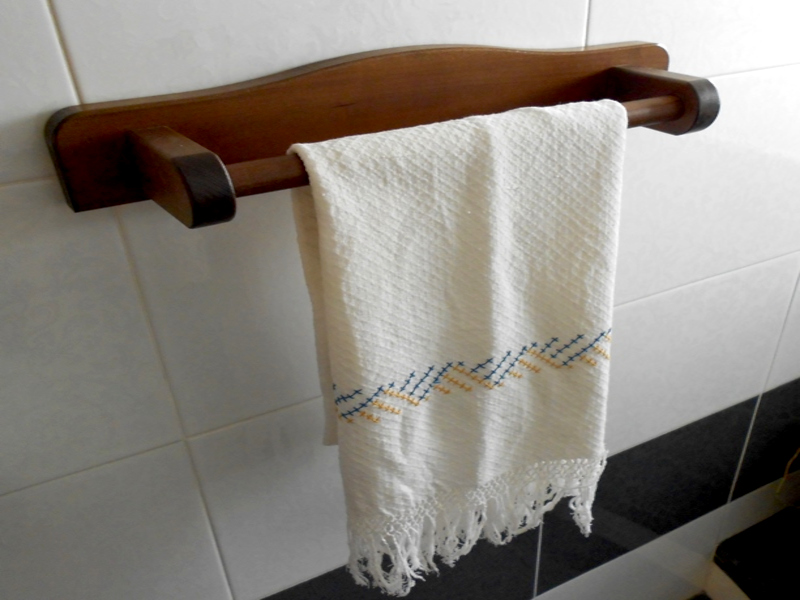
It all started with a request to build a towel rack similar to this simple, clean‑lined commercial model, probably made from poplar or tulipwood.
The goal was to reproduce it as faithfully as possible, but using only the materials I already had in my workshop.
A perfect challenge for anyone who enjoys smart, no‑waste DIY projects.
Materials Needed: Spruce, Plywood and Reclaimed Offcuts
To make the cimosa (the shaped back panel), I used an 18 mm red spruce board together with a 4 mm sheet of plywood. Combined, they gave me the same thickness as the original piece.
For the two side supports, I simply used some plywood offcuts I already had lying around.
How to Glue the Plywood onto the Spruce to Create the Base of the Towel Rack
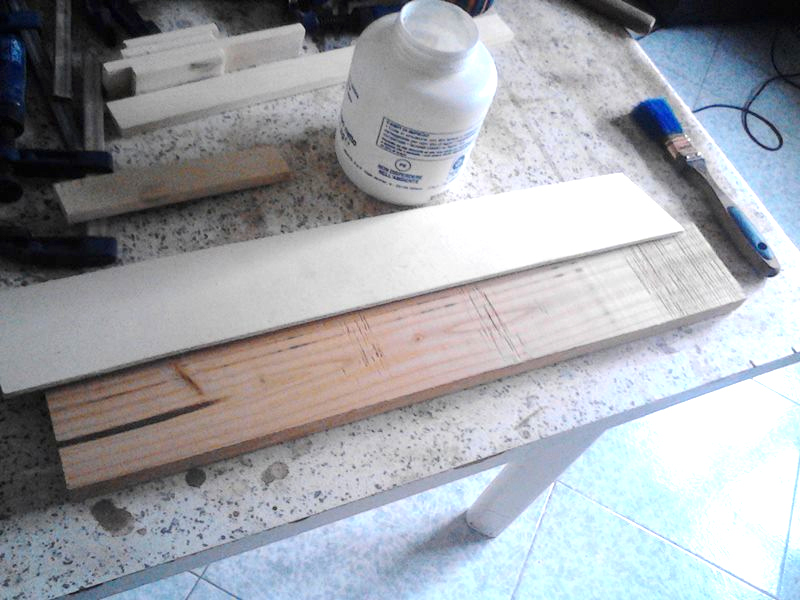
Here I’m gluing the plywood onto the spruce board.
It’s a simple but essential step: it gives me a stable surface and the same overall thickness as the original piece I’m trying to replicate.
Preparing the Templates and Cutting the Pieces
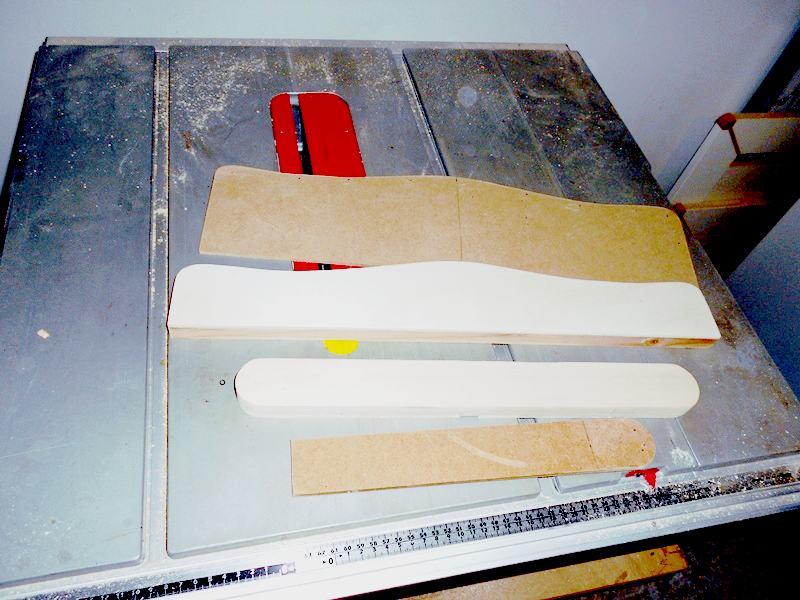
As usual, to get the shaped pieces I needed, I first made a couple of templates — one for the back panel and one for the side supports.
Then I did a rough first cut with the jigsaw and cleaned everything up using a bearing‑guided router bit on the router table.
Using a template is a trick I rely on all the time: it lets me reproduce complex shapes with millimetre‑perfect accuracy.
If you’d like to dive deeper into how to make a template and how to use it to produce the final pieces, have a look at this article, where the whole process is explained in detail: Building a Semi-Circular Etagere Table (or Half-Moon Console) in Chestnut Wood (by Mariobrossh) .
How to Drill the Side Supports to Fit the Towel Rail Dowel
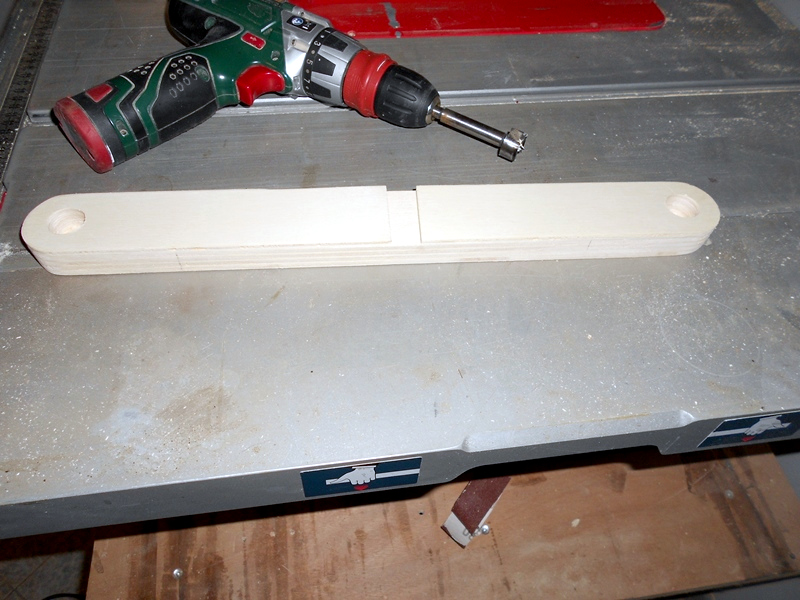
To hold the dowel that the towel will rest on, I drilled two holes in the two side supports.
I used a Forstner bit with the same diameter as the wooden dowel that fits into it.
Since the wood was fairly soft (and for convenience), I used a hand drill, but if you have one, a pillar drill is always the better choice — it gives you more accuracy and a bit more safety while drilling.
Edging the Pieces
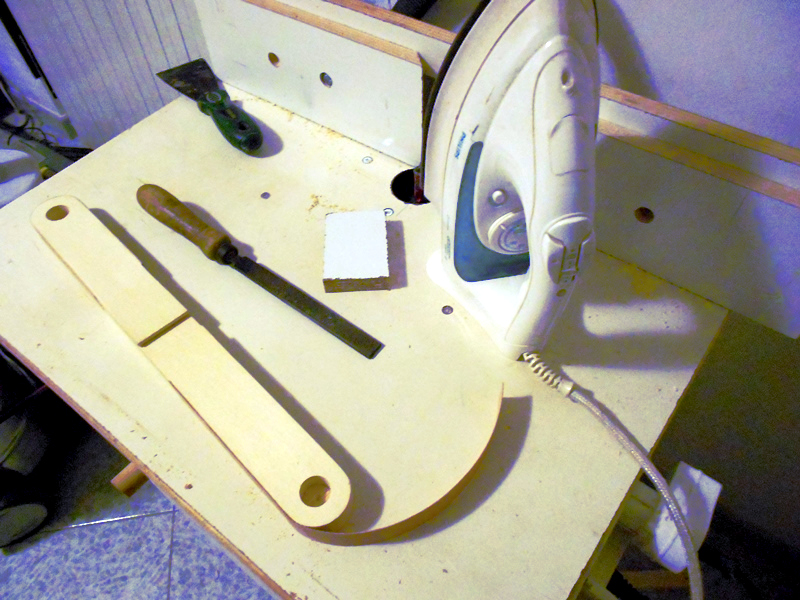
Now it’s time to apply the edging using pre‑glued edging tape.
You can do this with a normal household iron (without steam, of course), following the profile of the pieces you’ve already cut out.
The curved sections — especially the tighter curves — need to be done a little at a time so the edging sticks properly and doesn’t lift.
Trimming the Excess Edging
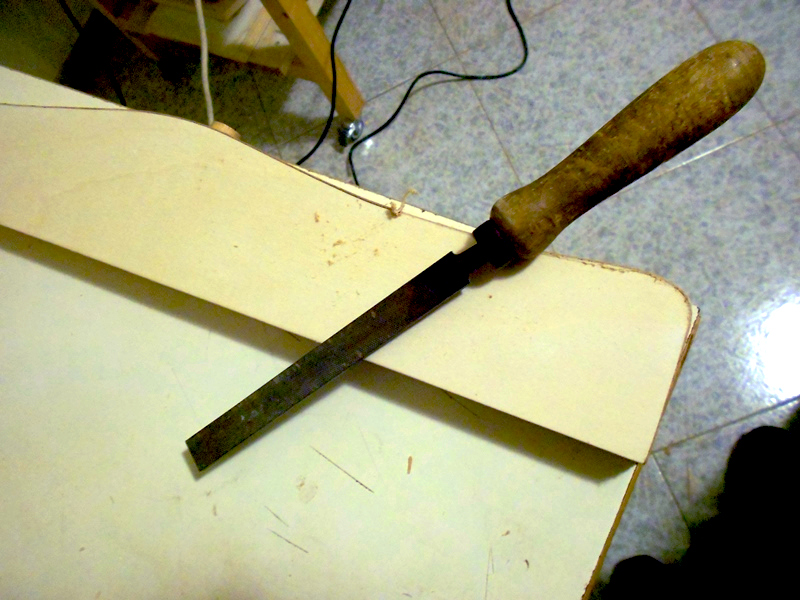
Edging tape is always a bit wider than the piece of wood you’re applying it to, so the extra overhang needs to be trimmed off.
I usually do this with a standard metal file, but if you prefer, there are purpose‑made trimming tools available and they’re really inexpensive.
Dry‑Fit Assembly Test
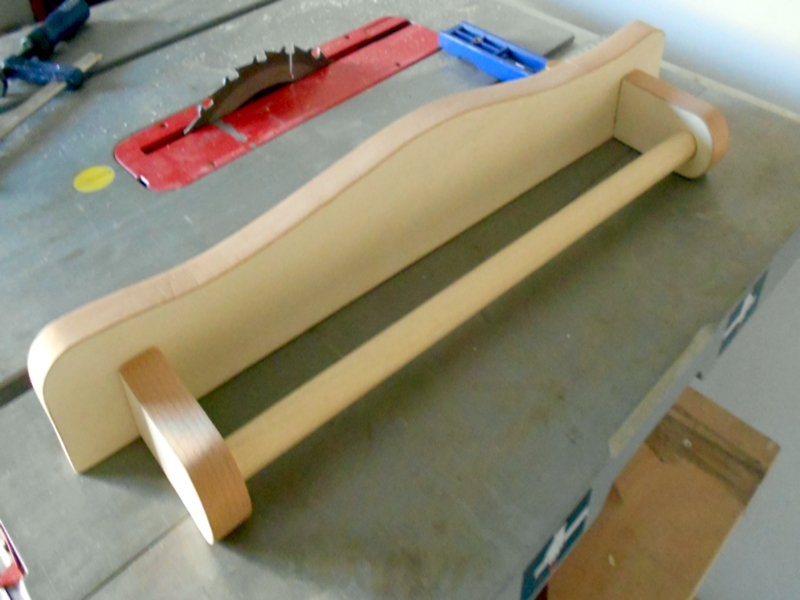
After cutting the side supports and the wooden dowel to the right length, and drilling the holes for the fixing dowels, I do a quick “dry fit”.
A dry fit (without any glue) is essential to make sure every piece has been cut, shaped and drilled correctly. This is the moment of truth — the last chance to spot any mistakes and fix them easily.
Once you start gluing, any adjustment becomes much more time‑consuming and complicated.
Wall Mounting with a Cam‑and‑Dowel Fixing System
To get a “hidden” wall fixing — so there are no visible screws or brackets — I used cam‑and‑dowel fixings, the same type normally used for flat‑pack furniture that needs to be taken apart if needed.
If you’d like to learn more about how this type of fixing works and the techniques for installing it, you can check out this other clear and detailed article by our master craftsman mariobrossh:
How to Build Furniture Using "Pin and Barrel" Assembly (by Mariobrossh)
Even though this fixing system wasn’t originally designed for mounting things on a wall, it seemed perfectly suitable for the job (and I had a few left over from previous projects), so I decided to use it.
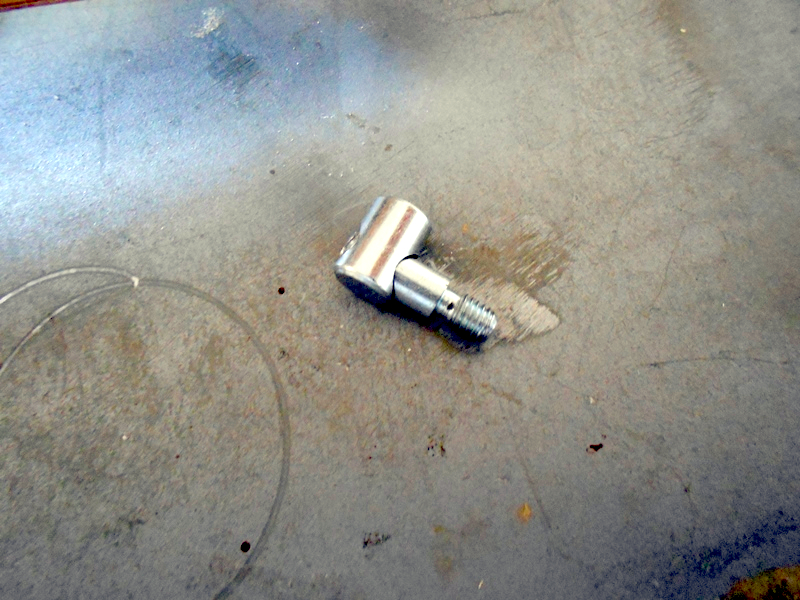
When I did the first tests, though, I realised the dowel was too long, so I cut it to size and drilled a new pilot hole for the grub screw.
Fitting the Fixing System
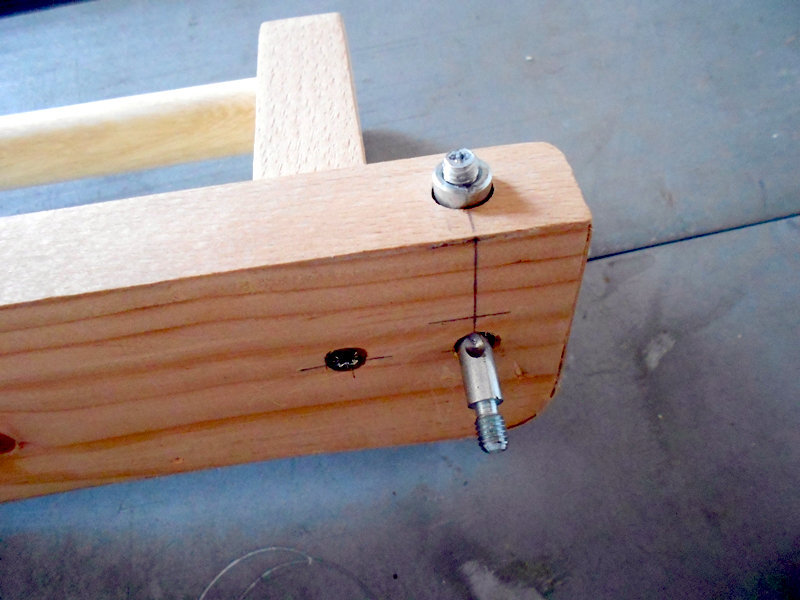
At this stage I drilled the holes in the towel rack.
In this photo you can get an idea of how the fixing system works and how it’s installed. The grub screw is placed on the underside of the back panel so that, once mounted, it stays completely hidden.
You can also notice the screw I used to attach the side supports to the back panel. I chose not to glue the side supports permanently but to fix them with a screw instead — this way, if the dowel ever breaks, it’s much easier to replace it.
Fixing the Dowel Pin to the Wall
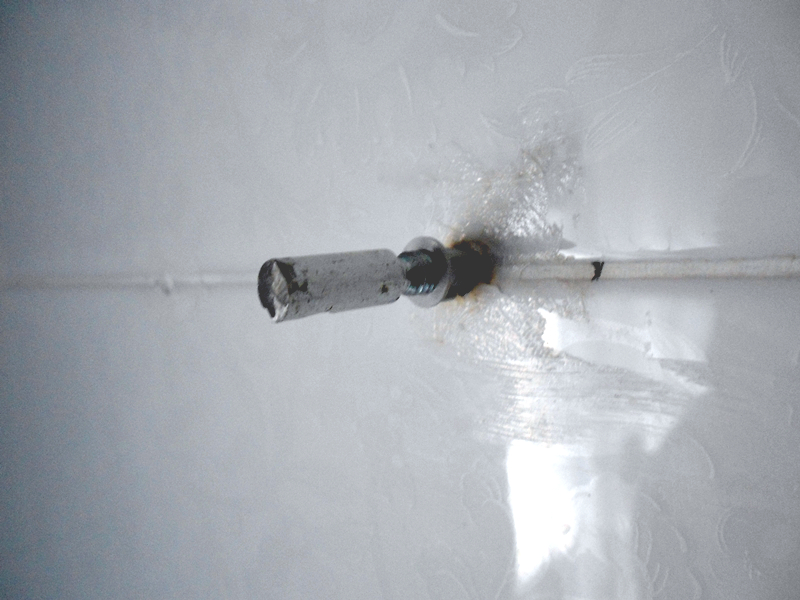
I screwed the pin into a 6 mm plasterboard wall plug inserted in the hole in the wall.
All the weight is carried vertically rather than being pulled outward, so the load on the plug is minimal.
I also did a few tests: as long as the pin isn’t unscrewed, the wall plug stays firmly in place and doesn’t come out.
Test‑Fitting the Towel Rack on the Wall
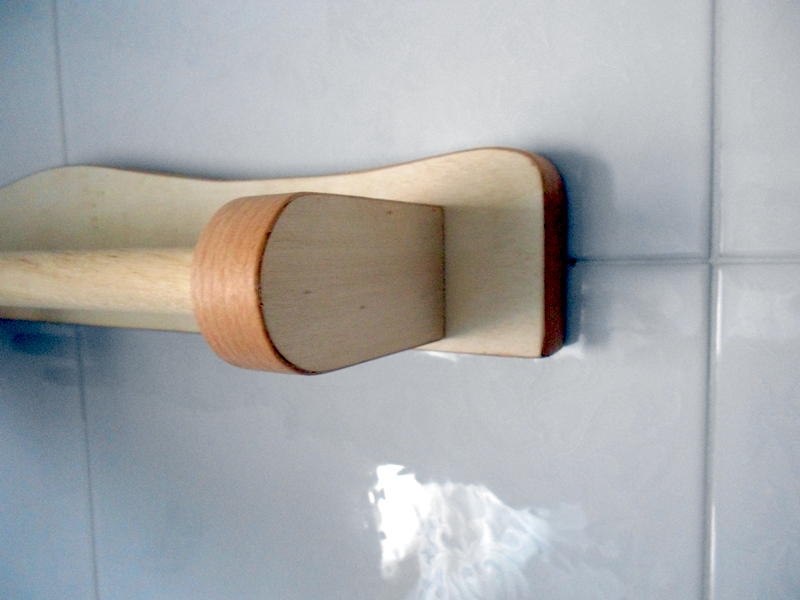
I positioned the cam‑and‑dowel barrels at the correct distance, matching the holes already in the wall from the old towel rack, so I didn’t need to drill any new ones.
At this point I tried mounting the towel rack, and the cam‑and‑dowel fixing system seems to work brilliantly.
Staining and Finishing the Wood
To even out the colour and give the wood a warmer look, I applied a wood stain.
The shade I chose is similar to the original model, but with a slightly more handcrafted feel.
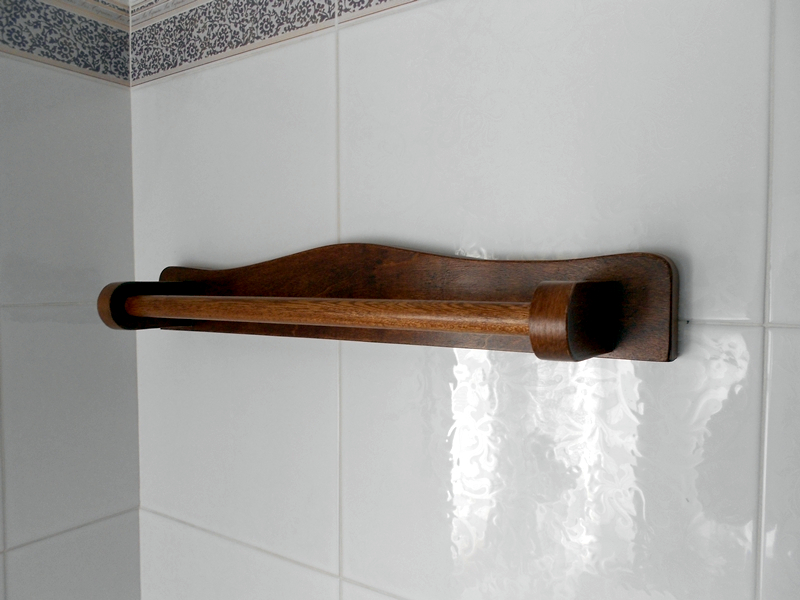
After staining, I applied a clear protective finish. This protects the wood from bathroom humidity and gives the piece a more professional look.
Here’s the final effect of the towel rack after the finish.
And What About the Little Shelf?
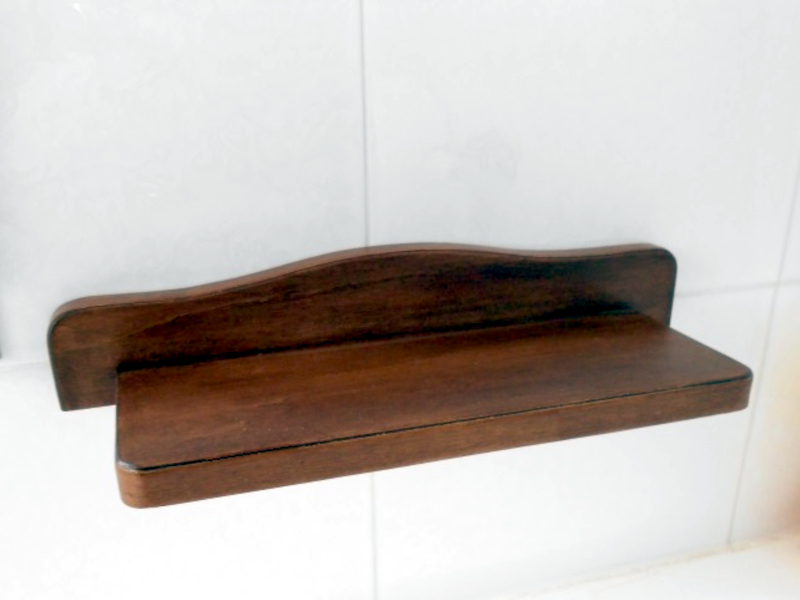
Once the towel rack was finished, the client — who also happens to be my wife — asked me to make a matching little shelf.
Nothing could be easier: using the same materials, the same template for the back panel and the same techniques, I put together a simple, neat little shelf to go with it.
That’s the end of the project. I hope, as always, that it can inspire someone to create their own version.
If you enjoy woodworking and handmade projects, you’ll find more builds in the Carpentry section of the site
Thanks
Luciano (Capitan Farloc)